
Quick recipes, smart snacks, and tiny daily habits that add up to a genuinely healthier way of eating.
View Quick RecipesEducational content only. This page provides general U.S. nutrition information. It is not medical advice and is not a substitute for guidance from a licensed professional.
Cooking does not need to be elaborate to be nourishing. These recipes follow the plate rule and require minimal equipment — a skillet, a pot, or an oven is usually enough. Each serves two and scales easily for meal prep containers.
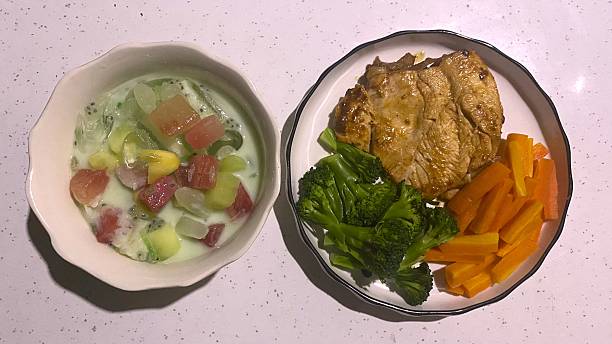
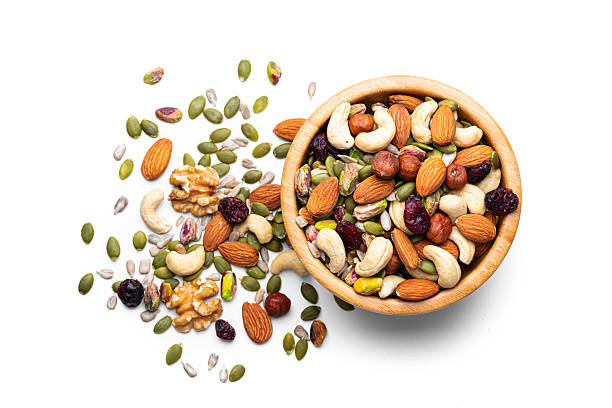
Between-meal hunger is normal, especially when you increase vegetable and fiber intake. The key is having prepared options that satisfy without derailing your overall pattern. A well-chosen snack combines protein or healthy fat with fiber to help you feel satisfied until your next meal.
Research from the Journal of Nutrition Education and Behavior indicates that people who plan snacks in advance consume more fruits and vegetables and fewer ultra-processed items compared to those who snack reactively. Spend five minutes on Sunday portioning snacks into small containers — the upfront effort eliminates daily decision fatigue.
Keep these combinations in rotation: apple slices with two tablespoons of almond butter, celery sticks with hummus, a small handful of mixed nuts with dried apricots, Greek yogurt with a quarter cup of granola and berries, or rice cakes topped with cottage cheese and cucumber. Each takes under three minutes to assemble and travels well in a lunch bag.
Dedicate one shelf or basket to grab-and-go snacks. Visible, accessible healthy options dramatically reduce the chance of reaching for vending machine alternatives during afternoon energy dips.
Behavioral scientists at Stanford and Duke University have shown that tiny, consistent actions create lasting change more reliably than dramatic overhauls. These micro-habits require almost no extra time and integrate into routines you already have.
Drink one full glass of water before each meal. Hydration supports digestion and sometimes reduces mistaken hunger signals. Keep a reusable bottle on your desk as a visual reminder.
Store fruit in a bowl on the counter instead of hidden in the crisper drawer. Some behavioral research suggests that keeping healthy foods visible may make them easier to choose during busy days.
Switch to nine-inch dinner plates for denser meals. The Delboeuf illusion causes the same portion to look more satisfying on a smaller plate, naturally moderating serving sizes without feeling restricted.
Each grocery trip, add three items from a rotating list: one vegetable you have not tried recently, one protein source, and one whole grain. Gradual variety prevents boredom without overwhelming your cart or budget.
A well-stocked pantry is the secret weapon of practical nutrition. When your shelves hold versatile staples, a balanced meal is always within reach — even on evenings when the refrigerator looks sparse. Focus on items with long shelf lives that combine into multiple dishes.
Essential proteins include canned tuna, salmon, and beans; dried lentils; eggs; and frozen chicken breasts. Carbohydrate staples cover brown rice, quinoa, whole-wheat pasta, oats, and whole-grain bread in the freezer. Keep olive oil, vinegar, soy sauce, dried herbs, garlic, onions, and canned tomatoes for flavor without calorie-dense sauces.
Frozen vegetables deserve special mention. Studies comparing fresh and frozen produce find comparable nutrient levels, sometimes favoring frozen items that are flash-frozen at peak ripeness. A bag of frozen broccoli, stir-fry blend, or spinach lasts months and cooks in minutes — eliminating the excuse that fresh produce spoiled before you used it.
"A pantry with fifteen versatile staples supports more balanced meals than a refrigerator full of specialty ingredients used once and forgotten."
— Practical Kitchen Management PrinciplesRefrigerate leftovers within two hours of cooking. Store cooked grains and proteins in airtight containers for up to four days. Label containers with dates to track freshness and reduce food waste from forgotten items pushed to the back of the shelf.
Compare sodium content on canned goods and choose low-sodium options when available. Rinse canned beans to reduce sodium by up to forty percent. Check ingredient lists for added sugars in products marketed as healthy, such as yogurt and granola bars.
Live cooking demonstration featuring five balanced dinners prepared in under twenty minutes with pantry staples.
Register InterestBuild your practical pantry from scratch with shopping lists, storage tips, and recipe ideas for every staple item.
Register InterestAssemble five packable lunches live — grain bowls, wraps, and salads you can prep the night before in under fifteen minutes.
Register InterestPortion and pack a week's worth of balanced snacks in one session — nuts, hummus cups, fruit packs, and hard-boiled eggs.
Register InterestHearty soups, stews, and skillet dinners that follow the plate rule while minimizing dishes and cleanup time.
Register InterestChoose three small daily habits to carry into the new year — water before meals, visible fruit, and pre-chopped vegetables.
Register Interest