
Build healthy habits that bend with your schedule — not rigid plans that break the moment life gets unpredictable.
Discover the ApproachEducational content only. This page provides general U.S. nutrition information. It is not medical advice and is not a substitute for guidance from a licensed professional.
The most common reason people abandon healthy eating plans is not lack of willpower — it is inflexibility. A meal plan that requires two hours of Sunday prep, specific ingredients from one store, and zero restaurant meals will fail the first week you work late or attend a family gathering. Flexible eating acknowledges that your life has variables and builds nutrition around them rather than against them.
Psychologists distinguish between rigid dietary restraint and flexible restraint. Rigid restraint involves strict rules with no exceptions, while flexible restraint allows for planned deviations without guilt spirals. Research in the International Journal of Eating Disorders consistently links flexible approaches with better psychological wellbeing and longer-term dietary adherence.
Think of your eating pattern as a river, not a railroad track. The general direction matters — more vegetables, adequate protein, whole grains — but the path can curve around obstacles. A pizza night does not erase a week of balanced meals. What matters is what you eat most of the time, not what happens at a single dinner.
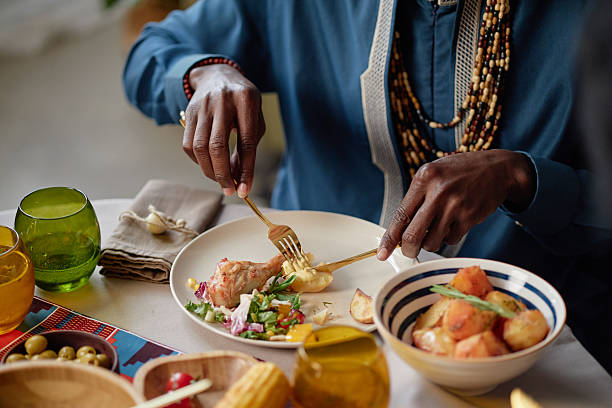
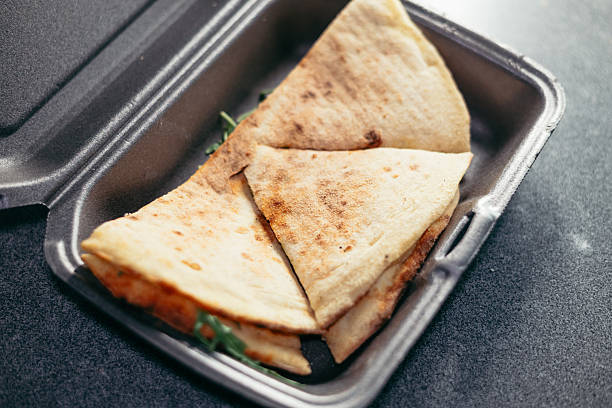
Time pressure is the number one barrier to home cooking in American households. The Bureau of Labor Statistics reports that the average adult spends under forty minutes daily on food preparation and cleanup combined. Working within that reality means choosing strategies that maximize nutrition per minute spent in the kitchen.
The fifteen-minute rule is a useful benchmark. Any meal you can assemble in fifteen minutes or less removes the excuse that cooking takes too long. Examples include canned tuna mixed with white beans and olive oil over arugula, a rotisserie chicken quarter with microwaved frozen broccoli and instant brown rice, or a whole-wheat wrap filled with hummus, shredded carrots, and pre-cooked chicken strips.
Invest your limited cooking time where it matters most. Roasting a sheet pan of mixed vegetables takes five minutes of active effort and yields sides for three days. Cooking a large pot of quinoa or brown rice on Monday provides a carbohydrate base for bowls, salads, and stir-fries through Thursday. These high-return tasks free you from starting every meal from scratch.
Americans eat roughly one-third of their calories away from home, according to USDA Economic Research Service data. Social dining is part of life, and flexible eating means having strategies that work in any restaurant without feeling deprived or anxious.
Look for grilled, baked, or steamed preparations rather than fried. Dishes described as "crispy," "creamy," or "smothered" typically carry extra calories from batter, butter, or cheese sauces. Many restaurants post menus online — review options before arriving to reduce impulse ordering.
Swap french fries for a side salad, steamed vegetables, or a baked potato. Ask for dressings and sauces on the side so you control the amount. Most kitchens accommodate these requests at no extra charge. Starting with a broth-based soup or side salad adds vegetable volume before the main course arrives.
Split an appetizer and a main course with a dining partner to enjoy variety without oversized portions. Restaurant servings often exceed what a single person needs. Eat slowly, converse between bites, and take leftovers home for tomorrow's lunch — a built-in time saver for the next day.
Travel disrupts routines by design — different time zones, unfamiliar grocery stores, and limited kitchen access. A flexible mindset starts before you leave home. Pack shelf-stable snacks like mixed nuts, whole-grain crackers, protein bars with recognizable ingredients, and individual nut butter packets. These prevent airport food court desperation purchases.
At your destination, locate a nearby grocery store within your first day. Stock up on fresh fruit, yogurt, baby carrots, and whole-grain bread for hotel-room breakfasts and snacks. Even without a full kitchen, most hotel rooms have a mini-fridge and microwave that support simple meals.
When exploring local cuisine, embrace the experience while applying the plate principle. Mediterranean destinations offer abundant vegetables and olive oil. Asian cuisines feature stir-fried vegetables and lean proteins. Mexican food provides beans, grilled meats, and fresh salsas. Choose dishes that naturally align with balanced eating rather than trying to replicate your exact home menu in a foreign country.
"The goal while traveling is maintenance, not optimization. Eating reasonably well keeps your energy up for the experiences you traveled to have."
Labeling foods as "good" or "bad" creates guilt cycles that undermine long-term habits. Flexible eating treats all foods as existing on a spectrum of nutritional value and frequency, not moral categories. Enjoy celebratory meals without compensatory restriction afterward.
Poor sleep increases cravings for energy-dense foods, according to research in Nature Communications. Managing stress through walking, journaling, or conversation supports better food choices as much as any meal plan does.
Forty-minute batch cooking session designed for people who work fifty-plus hours weekly and still want balanced home meals.
Register InterestPacking lists, airport strategies, and hotel-room meal ideas for frequent travelers who want to maintain balanced eating on the road.
Register InterestMenu-reading strategies, substitution requests, and portion awareness techniques for restaurants, cafes, and social gatherings.
Register InterestFlexible breakfast and lunch ideas for families adjusting to fall schedules — quick options that still follow the plate framework.
Register InterestPackable meals, desk-friendly snacks, and strategies for eating well during busy workweeks without a full kitchen at the office.
Register InterestNavigate parties, potlucks, and family dinners without rigid rules — practical flexibility for the busiest social season of the year.
Register InterestSet realistic, flexible nutrition goals for 2027 — avoiding all-or-nothing resolutions in favor of sustainable daily patterns.
Register Interest