
A visual framework for building balanced meals — half vegetables, a quarter protein, and a quarter complex carbohydrates.
Start ReadingEducational content only. This page provides general U.S. nutrition information. It is not medical advice and is not a substitute for guidance from a licensed professional.
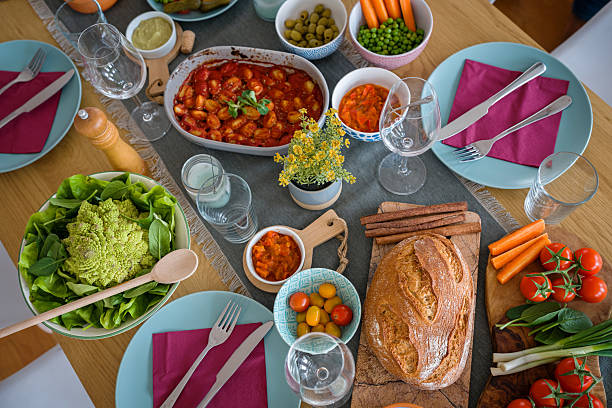
Non-starchy vegetables should occupy roughly half of your dinner plate. Think spinach, kale, broccoli, cauliflower, bell peppers, zucchini, asparagus, and salad greens. These foods are rich in fiber, potassium, folate, and antioxidants while being naturally low in calories. That combination means you can eat generous portions and still maintain balanced energy intake.
The CDC reports that only about one in ten American adults meets the daily recommendation for fruit and vegetable consumption. Closing that gap does not require dramatic changes. Adding a side salad to lunch, including roasted vegetables with dinner, or blending greens into a morning smoothie each contributes meaningfully over time.
Color variety matters as much as quantity. Different pigments indicate different phytonutrient profiles — orange carrots deliver beta-carotene, red tomatoes provide lycopene, and dark leafy greens supply lutein. Aim for at least three colors on your plate at each main meal. Farmers markets and seasonal produce sections at grocery stores make this both affordable and enjoyable.
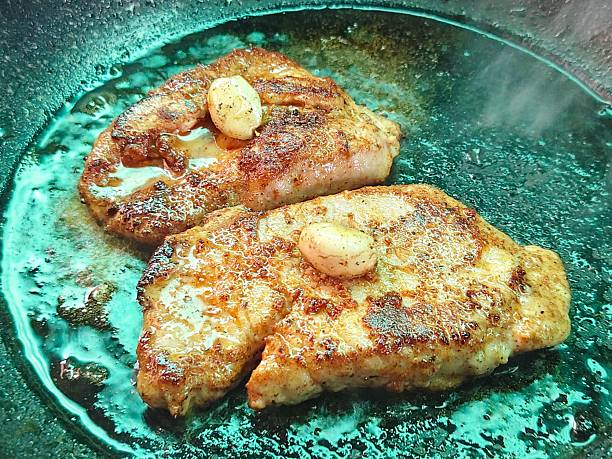
Protein belongs in roughly one quarter of your plate. Quality sources include skinless poultry, fatty fish like salmon and sardines, eggs, Greek yogurt, tofu, tempeh, lentils, chickpeas, and lean cuts of beef or pork in moderation. The Dietary Guidelines for Americans recommend that adults include protein sources spread across meals as part of a balanced daily pattern.
Protein plays a central role in satiety. Nutrition research summaries often note that meals including adequate protein may help you feel satisfied longer than meals built mainly from refined carbohydrates. That does not mean loading every plate with steak — it means including a meaningful protein portion at breakfast, lunch, and dinner so energy stays steadier through the day.
Plant and animal proteins both have a place. Combining legumes with whole grains creates a complete amino acid profile without relying solely on meat. If you prefer plant-forward eating, rotate between beans, lentils, nuts, seeds, and soy products to cover your nutritional bases. A palm-sized portion — roughly three to four ounces cooked — works as a practical visual guide for most adults.
Batch-cook a dozen hard-boiled eggs on Sunday. They last five days refrigerated and add instant protein to salads, grain bowls, and snacks.
The final quarter of your plate holds complex carbohydrates — foods that digest more slowly than refined options. Unlike many processed cereals or white bread that can leave you hungry soon after eating, whole grains and starchy vegetables provide fiber alongside carbohydrates for more lasting satisfaction.
Brown rice, quinoa, farro, barley, and whole-wheat pasta retain their bran and germ, providing B vitamins, iron, and magnesium. USDA educational materials and the Whole Grains Council describe whole grains as a staple of balanced eating patterns that include fiber for everyday digestive comfort.
Sweet potatoes, butternut squash, and regular potatoes offer complex carbs plus potassium and vitamin A. Leave the skin on when possible for extra fiber. One medium sweet potato counts as a satisfying carbohydrate portion for most meals.
Beans and lentils count as both protein and carbohydrate sources. A half-cup serving provides about 15 grams of fiber-rich carbs plus 7 to 9 grams of protein. They are especially valuable in plant-based plate building where one food fills two sections.
Fill half your plate before adding anything else. If you are making a bowl instead of a flat plate, layer greens and roasted vegetables as the base. This order ensures vegetables never get squeezed out by larger protein or starch portions.
Place your chosen protein in one quarter of the remaining space. Grilled chicken, baked fish, a scoop of lentil stew, or pan-seared tofu all work. Season with herbs, citrus, or a light vinaigrette rather than heavy cream sauces that add empty calories.
Fill the last quarter with your grain or starchy vegetable. A fist-sized portion of brown rice, a small baked potato, or two slices of whole-grain bread typically fits this space. Adjust based on your activity level — more movement generally means slightly larger carb portions.
While fats do not get their own plate section, include a tablespoon of olive oil, a quarter avocado, or a small handful of nuts. The Mediterranean diet research consistently shows that unsaturated fats from whole food sources support nutrient absorption and meal satisfaction.
The plate method provides visual guidance, not rigid rules. Athletes, pregnant individuals, and older adults may need adjusted portions. Listen to hunger signals and adjust carbohydrate portions based on your daily activity level.
Rinse all fresh vegetables under running water before cutting or eating, even if you plan to peel them. The FDA advises against using soap or commercial produce washes, as plain water effectively removes surface contaminants.
Hands-on session covering vegetable prep, protein cooking methods, and grain selection for balanced weeknight dinners.
Register InterestSeasonal eating walkthrough featuring farmers market shopping tips and recipes using peak summer vegetables.
Register InterestLearn visual portion guides for lean meats, fish, legumes, and plant proteins — building the protein quarter of your plate with confidence.
Register InterestExplore brown rice, quinoa, farro, and barley — cooking methods, storage tips, and pairing ideas for the complex carb section of your plate.
Register InterestA four-week group challenge to include at least three vegetable colors on every dinner plate, with weekly check-ins and recipe swaps.
Register InterestBuild balanced autumn meals with sweet potatoes, beets, carrots, and squash as the vegetable and carb foundations of your plate.
Register InterestApply the plate rule to holiday spreads — portion strategies for buffet-style meals without feeling restricted at the dinner table.
Register InterestWarm, balanced bowl-building with seasonal greens, lean proteins, and hearty whole grains for cold-weather comfort meals.
Register Interest