
Free, practical articles on plate-building, flexible habits, and mindful choices — written for everyday life, not as a substitute for professional nutrition care.
Explore the Plate RuleSmall, consistent choices add up over weeks and months.
Most of us already know that vegetables, lean proteins, and whole grains belong on our plates. The challenge is not knowledge — it is turning that knowledge into something you can repeat on a Tuesday night when you are tired and the fridge looks half empty. That is exactly what these guides are built for.
Public health resources, including materials from the Harvard T.H. Chan School of Public Health, describe dietary patterns rich in plants, fiber, and minimally processed foods as part of a balanced lifestyle. You do not need a perfect diet to apply these ideas. You need a framework that works when life gets busy, when you travel, and when your schedule changes unexpectedly.
Our approach rests on four pillars: building plates with the right proportions, staying flexible with your schedule, keeping meals practical, and eating with awareness. Each pillar connects to the next, and together they form a system you can adapt rather than a list of restrictions you struggle to follow.
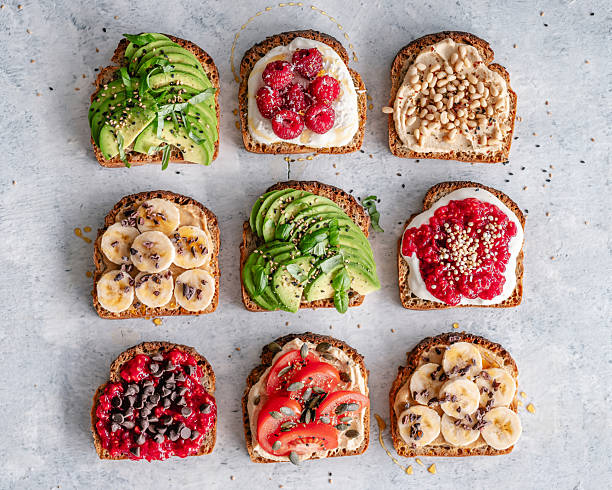
Fill roughly half your plate with non-starchy vegetables — leafy greens, broccoli, peppers, zucchini, and tomatoes. These foods provide fiber, vitamins, and volume with relatively few calories. Population-level nutrition research has long associated higher vegetable intake with balanced dietary patterns. Start by adding one extra serving per meal rather than overhauling everything at once.
Dedicate about a quarter of your plate to protein sources such as chicken, fish, eggs, tofu, or legumes. Protein supports muscle maintenance and helps you feel satisfied between meals. The USDA Dietary Guidelines recommend varying your protein sources and including seafood twice weekly when possible. A palm-sized portion is a practical starting reference for most adults.
The remaining quarter goes to complex carbs — brown rice, quinoa, sweet potatoes, or whole-grain bread. Unlike refined grains, these digest more slowly and can help you feel satisfied longer. USDA and American Heart Association educational materials note that whole grains are a common part of balanced eating patterns. Pair them with vegetables and protein for steadier energy between meals.
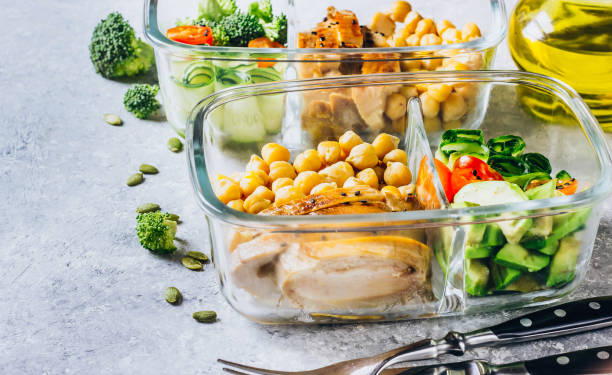
Rigid meal plans often collapse the moment your schedule shifts. Flexible eating means having a structure you can bend without breaking. If you eat out three times this week, you still apply the plate rule — ask for extra vegetables, choose grilled protein, and swap fries for a whole grain when available.
Batch cooking on Sunday does not mean cooking for hours. Roast a sheet pan of vegetables, cook a pot of grains, and grill several chicken breasts in forty minutes. Those components mix and match through the week into bowls, wraps, and stir-fries. Keep frozen vegetables and canned beans on hand for nights when fresh produce runs low.
Published research in Appetite describes flexible dietary restraint as one factor that may support long-term adherence compared with strict all-or-nothing approaches. Give yourself permission to enjoy social meals while returning to balanced patterns at the next opportunity. Consistency matters more than perfection.
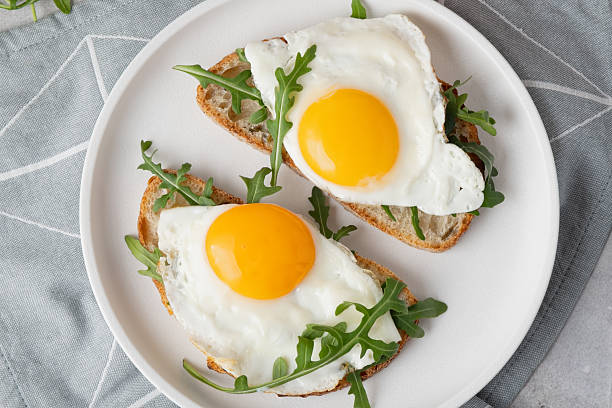
Learn Flexible StrategiesHealthy eating should not require culinary school training. Some of the most nourishing meals take fifteen minutes: scrambled eggs with spinach on whole-grain toast, a lentil soup made from pantry staples, or Greek yogurt with berries and a handful of nuts. The key is stocking your kitchen with versatile basics.
Micro-habits compound quietly. Drinking a glass of water before meals, keeping fruit visible on the counter, and using smaller plates for denser foods are small shifts backed by behavioral science. A study in the Journal of the Academy of Nutrition and Dietetics found that environmental cues significantly influence food choices without conscious effort.
Light snacks matter too. Apple slices with almond butter, hummus with carrot sticks, or a hard-boiled egg can bridge the gap between meals and prevent reaching for ultra-processed options when hunger strikes suddenly. Prepare two or three snack combinations you enjoy and rotate them through the week.
Mindful eating invites you to slow down and notice what is on your plate and how it makes you feel. It is not about eating less — it is about eating with attention. When you eat while scrolling your phone, your brain registers fewer satiety signals, and you may finish a portion without feeling satisfied.
Try the hunger scale: rate your hunger from one (very hungry) to ten (very full) before and after meals. Many people find it helpful to start eating around a three or four and stop around a six or seven. This approach, discussed in intuitive eating literature, can help you notice natural appetite cues that busy routines often override.
Portion awareness also reduces unintentional overeating. Serve food on plates rather than eating from containers, pause halfway through your meal to assess fullness, and wait ten minutes before deciding on seconds. These pauses give your body time to send the signals that your eyes and habits sometimes ignore.
Explore Mindful Practices"When you pay attention to the texture, temperature, and flavor of each bite, a simple meal becomes more satisfying — and you often notice you need less food to feel content."
— Mindful Eating Research, Ohio State UniversityAdd the foods you plan to eat and see how your plate balances across nutrients and colors.
Add foods to see your plate balance.
Calculator notice: The My Plate Calculator is an educational visualization tool only. It estimates general food-group proportions and does not provide medical, clinical, or personalized nutrition analysis. For individual dietary needs, consult a registered dietitian or qualified healthcare provider.
General wellness information to keep in mind as you build new eating habits.
Store perishable items below 40°F and cook poultry to an internal temperature of 165°F. The USDA Food Safety and Inspection Service recommends washing hands for twenty seconds before handling food and using separate cutting boards for raw meat and produce to prevent cross-contamination.
The National Academies suggest roughly 3.7 liters of total water intake daily for men and 2.7 liters for women from all beverages and foods. Thirst is a late signal — drink water consistently throughout the day, especially when increasing fiber intake from vegetables and whole grains.
The CDC describes regular physical activity as part of an overall healthy lifestyle for adults. Pairing balanced meals with movement you enjoy — such as walking, stretching, or recreational sports — can support energy and daily wellbeing. This is general wellness information, not an exercise prescription.
Individual nutritional needs vary based on age, activity level, and personal health circumstances. If you have specific dietary concerns, work with a registered dietitian or qualified healthcare provider who can offer guidance tailored to your situation.
Upcoming workshops and community sessions on balanced eating.
Learn hands-on how to assemble balanced meals using the plate method. Bring your questions about portion sizes and grocery shopping strategies.
Register InterestWatch live demonstrations of five dinners you can prepare in under twenty minutes using pantry staples and seasonal produce from local markets.
Register InterestA guided group session exploring hunger cues, portion awareness, and practical techniques for eating with more attention during busy workdays.
Register InterestSeasonal eating walkthrough featuring farmers market shopping tips and recipes using peak summer vegetables from Illinois growers.
Register InterestPacking lists, airport strategies, and hotel-room meal ideas for maintaining balanced eating while traveling during summer vacations.
Register InterestBuild your practical pantry from scratch with shopping lists, storage tips, and recipe ideas for every staple item.
Register InterestPractical session for parents on creating calm mealtimes, modeling mindful eating, and reducing food-related power struggles with children.
Register InterestCook along with seasonal squash, root vegetables, and whole grains — building balanced plates with autumn produce from local farms.
Register InterestNavigate festive gatherings with flexible eating principles — enjoying traditional foods while keeping everyday habits on track through the season.
Register InterestReflect on your eating habits from 2026 and set practical, flexible goals for the new year using the plate method and mindful eating tools.
Register InterestBeautttnaturalio.ddd is operated from Lyons, Illinois. We publish free educational content about everyday eating habits. We are not a clinic, pharmacy, supplement brand, or paid diet program.
Our guides summarize widely accepted nutrition concepts for general audiences. They are not written to diagnose, treat, or prevent any condition, and they should not replace advice from a licensed professional who knows your personal history.
Learn more on our About Us page. Questions are welcome through our Contact form or by phone at +1 (630) 418-5671.
Read About Us